
Military parachute systems operate in environments where reliability, consistency and readiness are critical.
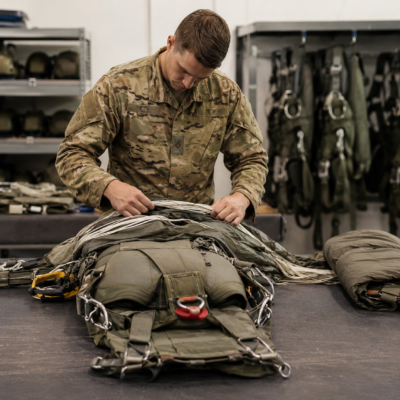
From personnel deployment to airborne
operations, every component of a parachute system must be correctly prepared and maintained before it is placed into service.
This is where military parachute rigging plays an important role.
Parachute rigging encompasses specialised processes associated with preparing, inspecting, packing and maintaining parachute systems. These activities help ensure that equipment remains serviceable and ready for its intended application.
For military organisations, understanding the importance of correct parachute rigging is therefore part of a much broader objective: maintaining dependable airborne equipment throughout its operational lifecycle.
What Is Military Parachute Rigging?
Military parachute rigging refers broadly to the technical work involved in preparing and maintaining parachute equipment for airborne use.
Depending on the system and applicable procedures, this can involve inspecting components, identifying damage or deterioration, assembling equipment correctly, packing parachutes and ensuring that the system is maintained according to the relevant technical requirements.
The work requires precision because a parachute is not simply a canopy. It is an integrated system in which components must function together correctly.
Military parachute riggers therefore work within established procedures rather than relying on judgement alone. Packing, inspection and maintenance requirements are governed by the specific equipment, technical documentation and applicable military procedures.
What Does a Military Parachute Rigger Do?
A military parachute rigger is trained to perform specialised tasks associated with parachute equipment.
These responsibilities can include:
- Inspecting parachute systems and components
- Packing and repacking parachutes according to prescribed procedures
- Identifying wear, contamination or damage
- Checking components for serviceability
- Performing or supporting authorised maintenance activities
- Maintaining appropriate equipment records
- Ensuring that established procedures are followed
Exact responsibilities vary according to the military organisation, parachute system and applicable technical requirements.
The central principle, however, remains consistent: parachute equipment must be prepared systematically and correctly before use.
Why Correct Parachute Packing Matters
Packing is one of the most recognisable aspects of military parachute rigging, but it should not be viewed as simply folding a canopy and placing it into a container.
A parachute system is designed around a defined deployment sequence. Correct packing helps ensure that components are positioned and configured according to the system’s approved procedures.
Incorrect packing can interfere with that intended sequence.
This is why military parachute packing follows defined procedures for the particular equipment involved. Riggers must understand the system they are working with and follow its approved technical documentation.
Consistency is especially important where military organisations manage numerous parachute systems across training and operational environments.
Inspection Is a Critical Part of Rigging
Packing and inspection are closely connected.
Before equipment is packed or returned to service, it may require inspection for signs of damage, deterioration or other conditions that could affect serviceability.
Areas requiring attention will depend on the particular parachute system, but inspections can include components such as:
- Canopy material
- Suspension lines
- Webbing
- Stitching
- Harness components
- Connectors
- Deployment components
- Containers and associated equipment
Inspectors must also consider the equipment’s approved procedures and serviceability criteria.
A component that appears acceptable to an untrained observer may still require further assessment under the applicable technical requirements.
For military organisations, this makes inspection a structured equipment-management process rather than a simple visual check.
Parachute Maintenance Supports Operational Readiness
Military parachute equipment may experience repeated handling, packing, storage, transportation, training use and exposure to demanding operating environments.
Over time, these factors can affect equipment condition.
A structured maintenance programme helps military organisations identify potential problems and manage parachute systems throughout their service life.
Maintenance should always follow the requirements applicable to the specific equipment. Organisations should not assume that maintenance intervals, repair methods or component requirements are identical across different parachute systems.
Proper documentation is equally important.
Accurate records can help authorised personnel understand inspection history, maintenance activity and equipment status, supporting better lifecycle management and accountability.
Storage and Handling Matter Too
Parachute readiness does not begin immediately before an airborne operation.
How equipment is handled and stored between uses can also influence its condition.
Environmental exposure, contamination, inappropriate handling and unsuitable storage conditions can potentially contribute to deterioration. Military organisations therefore need procedures that extend beyond packing and deployment.
Good equipment management considers the complete lifecycle:
Storage → Inspection → Preparation → Packing → Use → Post-use assessment → Maintenance → Return to service
This lifecycle approach helps organisations maintain greater visibility over equipment condition rather than treating each parachute as ready for use simply because it has been packed.
Military Parachute Rigging and Quality Control
Quality control is particularly important when equipment is being prepared for airborne use.
Military parachute rigging procedures are designed to create repeatable processes. Appropriate checks and documentation can provide additional assurance that required procedures have been completed.
This becomes increasingly important when organisations manage larger equipment inventories.
Standardised processes help reduce inconsistency between individual systems and provide military units with a clearer framework for managing equipment readiness.
Quality control should therefore be considered part of the broader parachute-management system rather than a final check performed in isolation.
Why System-Specific Knowledge Is Essential
Not every military parachute operates in the same way.
Different parachute systems may have different components, deployment methods, packing procedures, inspection criteria and maintenance requirements.
For this reason, generic parachute knowledge cannot replace system-specific training and approved technical documentation.
Personnel responsible for equipment should understand the exact parachute system they are handling and work according to the procedures applicable to that equipment.
This distinction is particularly important for organisations operating multiple parachute configurations or managing equipment for different airborne applications.
What Should Procurement Teams Consider?
Parachute lifecycle requirements should also be considered during procurement.
Selecting military parachute equipment solely according to initial acquisition requirements can overlook what happens after the system enters service.
Procurement and technical teams should consider questions such as:
- What inspection procedures apply to the system?
- What are the packing and repacking requirements?
- What maintenance requirements need to be accommodated?
- What technical documentation accompanies the equipment?
- What training or technical knowledge will personnel require?
- How will equipment condition and serviceability be recorded?
- What storage and handling requirements apply?
- How will the equipment fit into the organisation’s existing airborne procedures?
These questions help shift procurement thinking from simply acquiring equipment towards managing it throughout its operational lifecycle.
Military Parachute Systems Require a Lifecycle Approach
The reliability of airborne equipment depends on more than the original design and manufacture of the system.
Once equipment enters service, proper inspection, packing, handling, storage and maintenance become important elements of continued readiness.
This is why military parachute rigging belongs within the broader conversation about airborne equipment lifecycle management.
Military organisations need clearly defined procedures, appropriately trained personnel, accurate documentation and equipment suited to their operational requirements.
Military Parachute Systems from Aerodyne
Aerodyne designs and manufactures military parachuting equipment for airborne applications.
When evaluating a military parachute system, organisations should consider not only operational requirements but also how the equipment will be incorporated into their existing inspection, handling, packing and lifecycle-management procedures.
Selecting an appropriate system is therefore part of a broader equipment strategy that extends from procurement through operational use.
For more information about Aerodyne’s military parachuting equipment, contact us today to find out more.
Frequently Asked Questions
What is military parachute rigging?
Military parachute rigging involves specialised processes associated with preparing, inspecting, packing and maintaining parachute equipment according to applicable procedures and technical requirements.
Why is military parachute packing important?
Correct packing helps ensure that a parachute system is configured according to its approved procedures and intended deployment sequence.
Does every military parachute use the same packing procedure?
No. Packing and inspection procedures depend on the particular parachute system and its approved technical documentation.
Why should procurement teams consider maintenance requirements?
Maintenance, inspection, storage, packing and technical-support requirements can affect how effectively a parachute system is managed throughout its operational lifecycle.
How does parachute rigging support airborne readiness?
Structured inspection, packing, maintenance and equipment-management procedures help organisations maintain serviceable parachute systems and identify issues requiring attention before equipment is returned to use.
Conclusion
Military parachute rigging is an essential part of managing parachute equipment throughout its operational lifecycle.
Correct packing is important, but effective rigging extends further. Inspection, maintenance, documentation, storage, handling and system-specific technical knowledge all contribute to effective equipment management.
For military and defence organisations, the objective should be a structured lifecycle approach in which parachute equipment is properly managed from acquisition and storage through preparation, operational use, inspection and continued service.
By combining appropriate equipment with disciplined procedures and trained personnel, organisations can strengthen the consistency and readiness of their airborne equipment.
